


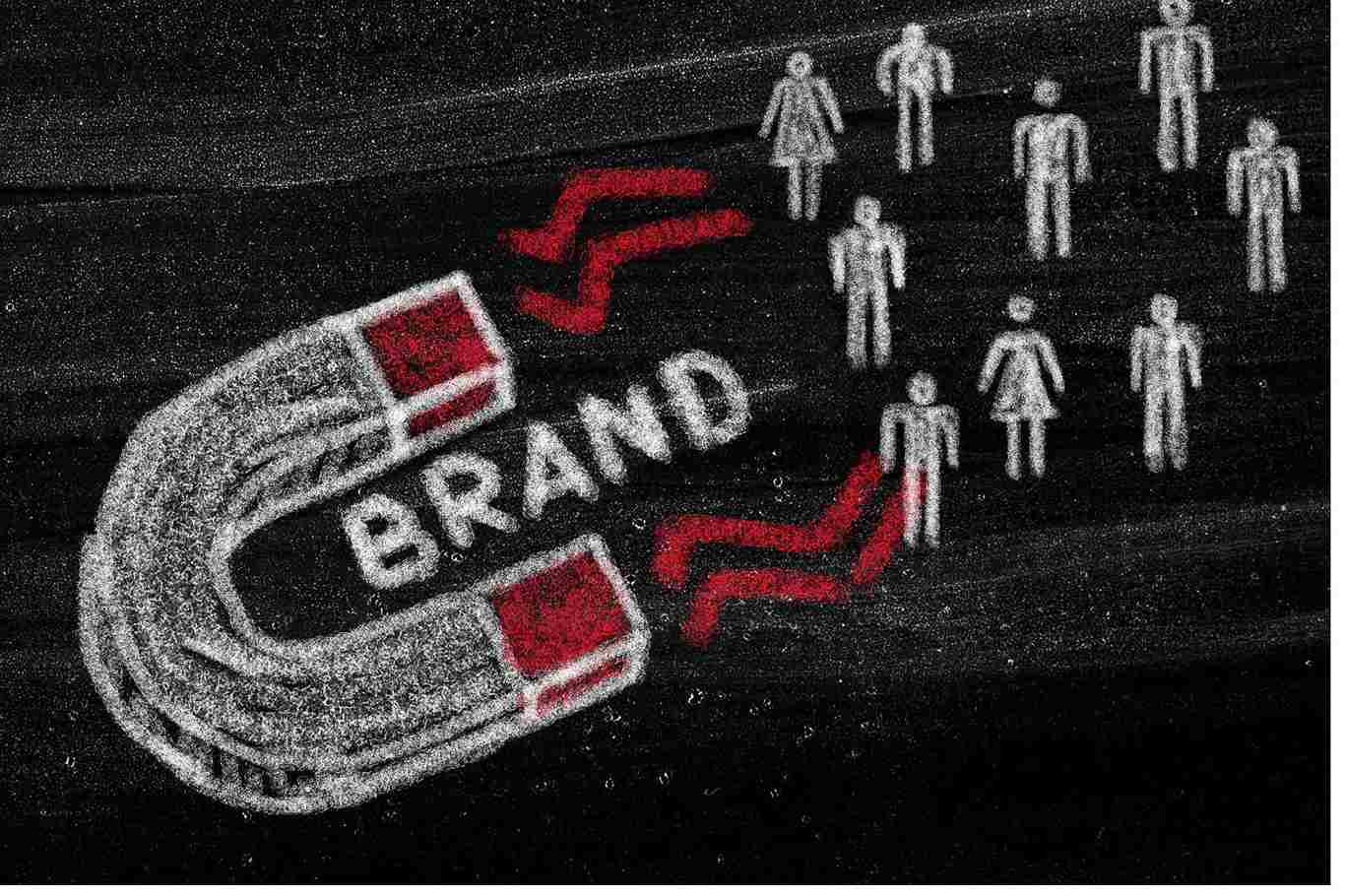
2025 A catchy jingle or glamorous ad campaign no longer lures consumers. Rather, they look for authentic relationships with brands that mirror their values. The decade of flashy advertising is being replaced by one of authenticity, where trust, transparency and purpose drive effective marketing. Let’s take a deep dive into why authenticity nowadays outperforms traditional advertising, and how businesses can not only adopt this change, but also capitalize on it.
1. The Decline of Traditional Advertising
Advertising used to rule the marketing world, but today’s consumers are turning a deaf ear to repetitive and exaggerated ads.
- Ad blockers have become mainstream.
- Exhaustion on social media has also rolled back interaction with sponsored posts.
- There has been an increase in skepticism of “too perfect” campaigns.
Rather, they want brands that are candid and that don’t shy away from being themselves.
2. The Rise of Authentic Storytelling
Brands that tell the truth are stealing our hearts. And storytelling brings out the human side of a business and creates emotional connections.
- Environmental activism is part of Patagonia’s identity.
- Dove’s “Real Beauty” campaign centred on real women and not models.
Key takeaway: Stories of truth and purpose yield stronger levels of loyalty than any scripted ad.
3. Transparency Builds Trust
In 2025, the consumer wants to know where a product came from, how it was made and who made it.
- Corporations now publicly disclose details of their supply chains.
- The demand for ethically sourced as well as environmentally friendly production is turning out to be a must-have.
With candor, the brands who can admit to both their strengths and weaknesses are those that the public will trust in the long term.
4. Consumers Value Shared Values
Today’s consumers are eager to back brands that reflect their individual values.
- Gen Z are more prone to buy from a sustainable brand.
- Businesses who take a stand for social causes appeal to millennials.
Genuine brands shout their values from the mountaintops, but they don’t over-promise or virtue-signal.
5. The Power of User-Generated Content
Customers themselves have transformed into a brand’s greatest marketers.
- Reviews, testimonials and unboxing videos strike a more relatable chord than paid ads do.
- User-created stories and visuals are currency to brands like Glossier and GoPro.
Tip: Urge customers to leave honest experiences – good or bad.
6. The Function of Social Media Authenticity
Social media is now about authenticity, not perfection.
- Raw and unedited posts performed better than polished looking posts.
- Short-form videos such as behind-the-scenes clips display a brand’s more authentic side.
In 2025, authenticity equals engagement.
7. Employee Advocacy Strengthens Authenticity
Employees are a company’s voice. And when they post about the experiences on social media, it feels more authentic than a paid influencer post.
- Companies, including Zappos, encourage employees to share freely about work culture.
- Microsoft draws genuine followers through employee narratives.
Authenticity comes from the inside out.
8. Purpose-Driven Marketing Wins
Customers are drawn to companies with a purpose that transcends making money.
- Every purchase from TOMS Shoes comes with a benefit to society.
- Ben & Jerry’s campaigns on social justice issues.
Marketing is only meaningful when purpose meets action.
9. Authenticity Enhances Long-Term Loyalty
A slick ad will sell it once, but keeping it real makes a repeat customer.
- 88 percent of consumers say they are loyal to brands that they trust.
- Transparent communication forges emotional connections that endure for years.
The basis of loyalty that springs from authenticity is stronger than any coupon or ad gimmick.
10. How Brands Can Stay Authentic
To succeed in 2025, brands must:
- Be open about their values and operations.
- Respond to feedback openly.
- Avoid overhyping products.
- Real stories and testimonials from customers.
Real authenticity is more about being consistent with what you say and do.
What Does Authentic Branding Look Like?
- LEGO: Encourages creativity using an emphasis on studies training children.
- Tesla – Grows without advertising, leveraging innovation and word of mouth.
- Starbucks – Transparently reveals how ethically it sources its beans to the consumers.
(Authorship, these brands suggest, can scale.)
Key Takeaways
- In 2025, consumers are hungry for truth, not tactics.
- The true brands build trust, loyalty and advocacy.
- Advertising remains relevant, but it has to tell real stories and be transparent.
- When well executed authenticity is the best type of marketing.
Conclusion
In 2025, authenticity is no longer simply a marketing pillar – it’s the cornerstone of longevity. The brands that are open and honest about where they stand, responsible for their actions and connect emotionally rather than transactionally with people are the ones that build loyal communities, not just lists. In the era of transparency, real is the new marketing.
FAQs:
Q1. What does brand authenticity mean?
It’s about being real, honest, and maintaining the same voice that a brand has created around its values, products, and promises.
Q2. Why is real better than advertising?
And that’s because authenticity builds trust and emotional connection when advertising so often feels forced or focused on sales.
Q3. What are authentic ways for small businesses to show up?
By communicating through real customer stories, through authentic online dialogue and by being transparent about their processes.
Q4. What dangers come with fake authenticity?
As much as you think it’s a good thing to “help” during this tense period, there is also plenty of worth in sticking firmly to the tasks at hand and never getting into any situation where you’re turning your brand into something that people sense as fake or otherwise performative – consumers fleeing from insincerity are gone forever.
Q5. Can a brand really be authentic and advertise?
Yes: when advertising is a mirror of true values, honest messages and shared experiences, then it encourages authenticity.
