


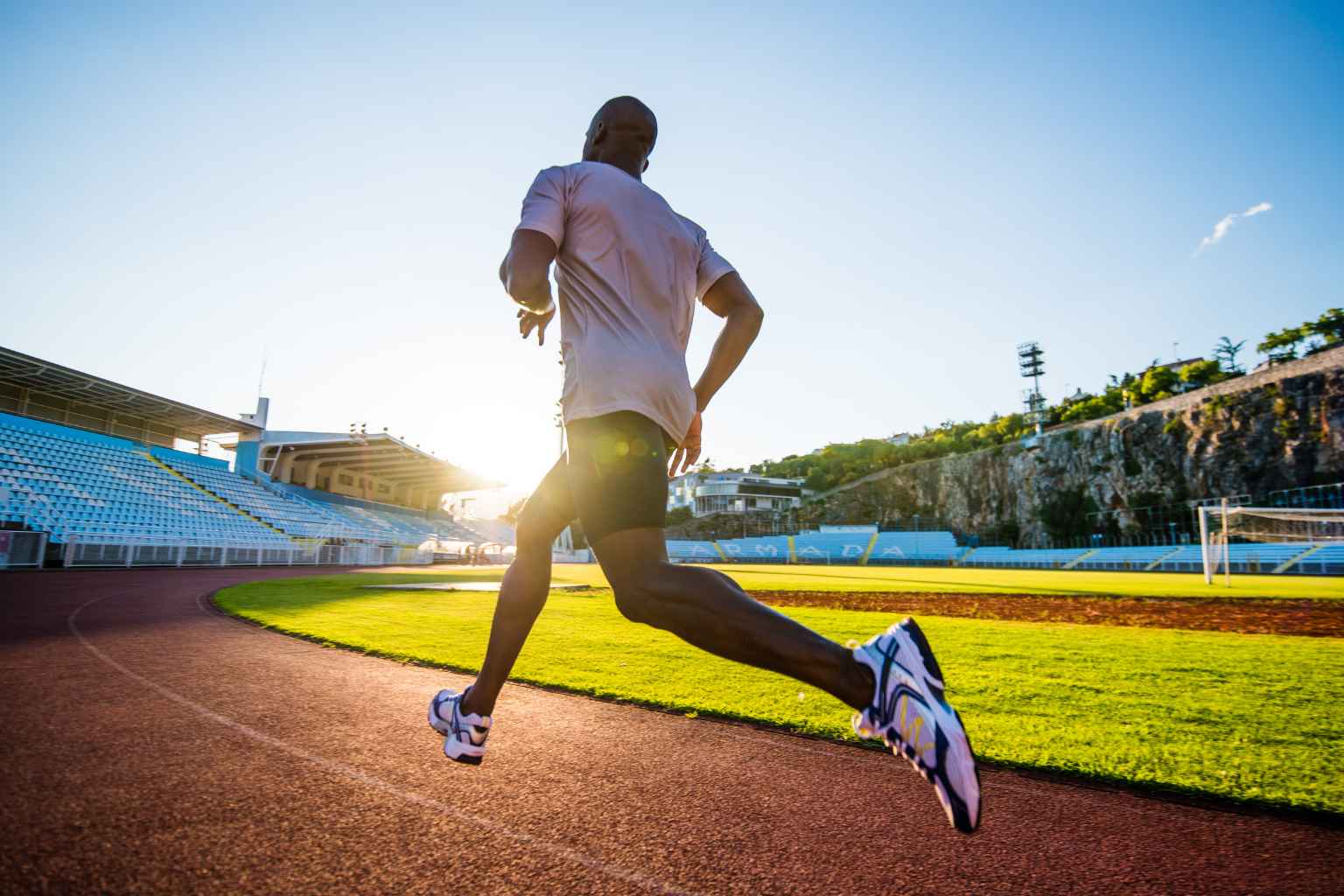
Health of athletes has always played a crucial role in their performance in sports, but over the years innovation has revolutionized it like never before. With the prevalence of sports tech startups, how athletes train, recover, and even avoid injury is changing entirely. These young companies are combining artificial intelligence, wearables, biotechnology and data analytics to overhaul athletic care. From injury prediction tools to tailored recovery platforms, sports startups representing every facet of competition are redefining how athletes maintain fitness, health and readiness.
1. The Ascent of Sports Tech Startups
The last 10 years have brought on a wave of tech-enabled innovation in the sports industry. And start-ups focused on health and performance analytics are springing up around the world with footings in venture capital and partnerships with sports organizations. Their mission is straightforward to use data and science to help athletes live longer, healthier careers. These startups are not about sports medicine in the tradition of treating injuries after they happen, and more about prevention, continuous monitoring and precision care. This is a game changer in athlete health monitoring.
2. Data-Driven Health Monitoring
It’s there that sports startups are making one of the most significant leaps in athlete health, which is data analytics. Using biometric data, coaching staffs can measure fatigue levels, hydration status, heart rate variability and sleep quality on the fly.
There is some novelty in data-tracking, and a few examples of data-tracking innovation are:
- Sensors worn on the body that alert athletes when muscles are in danger of breaking down.
- AI services that forecast performance slumps by analyzing data on sleep and nutrition.
- Cloud dashboards for coaches so entire teams can be tracked remotely.
- Elasticity analytics that optimize training loads to avoid overtraining.
- Incorporating mental health monitoring into physical fitness regimes.
Information from the data enables smarter decision making that enhances performance and overall health risk reduction.
3. Personalized Training Through Artificial Intelligence
Artificial intelligence is changing the game of athletic development. With advanced algorithms, startups can develop hyperpersonal training plans that adjust to an athlete’s physiology and performance.
- A computer or AI gets the biometric with sensors and video analysis.
- Machine learning recognizes weaknesses or patterns in motion.
- Programs can also be customised to change and evolve as the athlete develops.
- Injury prevention is incorporated in into each session.
- Feedback loops continue to adjust how the training process can be most efficient.
This personalized approach optimizes the potential for performance and minimizes the possibility of strain and injury a dream balance for every athlete.
4. Injury Prevention and Early Detection
Injuries are one of the greatest obstacles in professional sports. Start-ups are creating technology that identifies early signs of strain before it turns serious. Motion capturing, pressure sensing and AI-driven gait analysis can detect biomechanical disparities that heighten the risk of injury. Sensors monitor movement at joints and muscle activation in real time, notifying trainers when an athlete has moved beyond safe limits. These tools enable early intervention, which could save months of recovery and millions in lost game time. In the world of modern athlete, preventative care is increasingly becoming as important as performance itself.
5. Revolutionizing Recovery Through Technology
Recovery after training and matches has also been significantly enhanced by sports startups innovation. They are, of course. Recovery isn’t just taking ice baths or getting a massage anymore; it’s a data-driven exercise based on real-time analytics.
New recovery technologies include:
- Cryo chambers to speed muscle recovery.
- Compression wear for better blood flow.
- Intelligent hydration with electrolyte measuring technology.
- AI-powered sleep improvements for more restful cycles.
- Neurofeedback units that help accelerate mental recovery.
These modes of instrumentation improve both physiological and psychological recovery allowing players to stay in shape over the course of a long season.
6. Nutrition Innovation and DNA-Based Diets
Nutrition is a fundamental part of athletic performance, and startups are disrupting it by applying biotechnology to the category. Through genetic testing and AI nutrition platforms, companies can develop customized diet plans based on an athlete’s DNA, metabolism, their gut microbiome. There are also smart nutrition apps measuring nutrient intake and energy expenditure along with real-time advised. Startups are even working on nutrient-laden hydration solutions and recovery supplements tailored to individual biomarker analysis. It’s the personalised nutrition to make sure every meal is helping you perform at your best and recovering quicker.
7. Mental Health and Cognitive Performance Tools
Today’s athletes are subjected to intense psychological pressures, so mental health is as important as physical health. Sports startups are unveiling platforms for measuring emotional well-being through biometric and behavioral data.
Popular mental performance innovations include:
- Apps for meditation, mindfulness and biofeedback software.
- Neurostimulation headgear to boost concentration and calm.
- AI-based mood monitoring via voice and heart rate.
- Virtual reality platforms for mental resilience training.
- Cognitive training exercises designed to enhance situational decision-making.
By merging neuroscience and technology, these tools assist athletes in stress management, focus development, and mental agility in sport and life.
8. Startups Advancing Female Athlete Health
Until recently, sports science was mostly built around male physiology. Now some startups are building technologies for female athletes specifically. These range from platforms to track menstrual cycles, analyses of hormonal balance and prevention of injury by taking into consideration unique biomechanical differences. Training athletes for hormonal fluctuations The tailor your nutrition and hydration- reducing fatigue and improving consistency. This advancement contributes to improving performance and facilitates an environment of gender inclusiveness in sports science, and also serves an area in female athletic health that have been long neglected.
9. Startups and Sports Organizations Collaboration
Professional sports teams and federations are increasingly collaborating with startups to bring innovation into day-to-day care of athletes. These partnerships guarantee technology is trialled in the real world and informed to perfection by athletes. Startups bring the elite data to experiment with, and teams benefit from using the latest solutions.
Common areas of collaboration include:
- Team optimization performance analytic systems.
- Camp wearables for health monitoring.
- AI-based rehabilitation programs after injuries.
- Collaborative research in sports medicine and biomechanics.
- Fan engagement integrated with athlete health data for teaching.
These collaborations are forming a global sports innovation ecosystem that focuses on athlete safety and performance optimization.
10. The Future of Athlete Wellness Progress
The future of athlete health is fully merged with technology, biology and cellular-level data all customized to the individual. Before long, micro-sensors woven into our clothes or placed on skin patches will let us know how we’re doing health-wise all the time, without even as much discomfort and bloodshed as pricking a finger. And AI-powered platforms will integrate genetic, behavioral and environmental information to predict injuries and develop individualized plans for recovery. Virtual medical teams would be able to provide real-time support to athletes around the world. And as startups explore new boundaries, the next 10 years will be a decade that redefines what it truly means to be healthy, resilient and high-performing in sports.
Key Takeaways
- Athlete health is being revolutionized by sports startups using data, AI and biotech.
- Bespoke training and recovery aids to avoid injury and improve performance.
- Nutrition, sleep and mental health are embedded into athlete management.
- Women’s sports health innovations are finally getting a little overdo attention.
- The future for athlete health will sit with intelligent predictive connectivity.
Conclusion
Sports start-ups at the vanguard of a new age in athlete health. Their technology is enabling athletes to train smarter, recover faster and perform better all while minimizing injury risk. Combining elements of science, data and technology, these startups are transforming sports into an arena for precision medicine and individualized care. As technology and athletics become increasingly symbiotic, the next generation of athletes will not only compete harder but live healthier and longer careers. The future of sports health is smart, inclusive and analytics driven.
FAQs:
Q1. In what ways are startups building better athlete health?
They utilize technology such as wearables, AI and biometrics to track performance, prevent injury and optimize recovery.
Q2. Is true AI-enabled customization of athlete training possible?
Yes, A.I. crunches personal data to create adaptive programs that fit each athlete’s needs and aspirations.
Q3. How does diet affect start-up success?
Key startups are analyzing genetic and metabolic information to develop DNA-based diets that support performance and recovery.
Q4. Are they used only by experts?
No, many startups are developing affordable products for amateur athletes and fitness fans.
Q5. What’s next for sports health innovation?
These could include embedded biosensors, virtual rehabilitation tools and AI systems that can forecast injuries in real time.
