


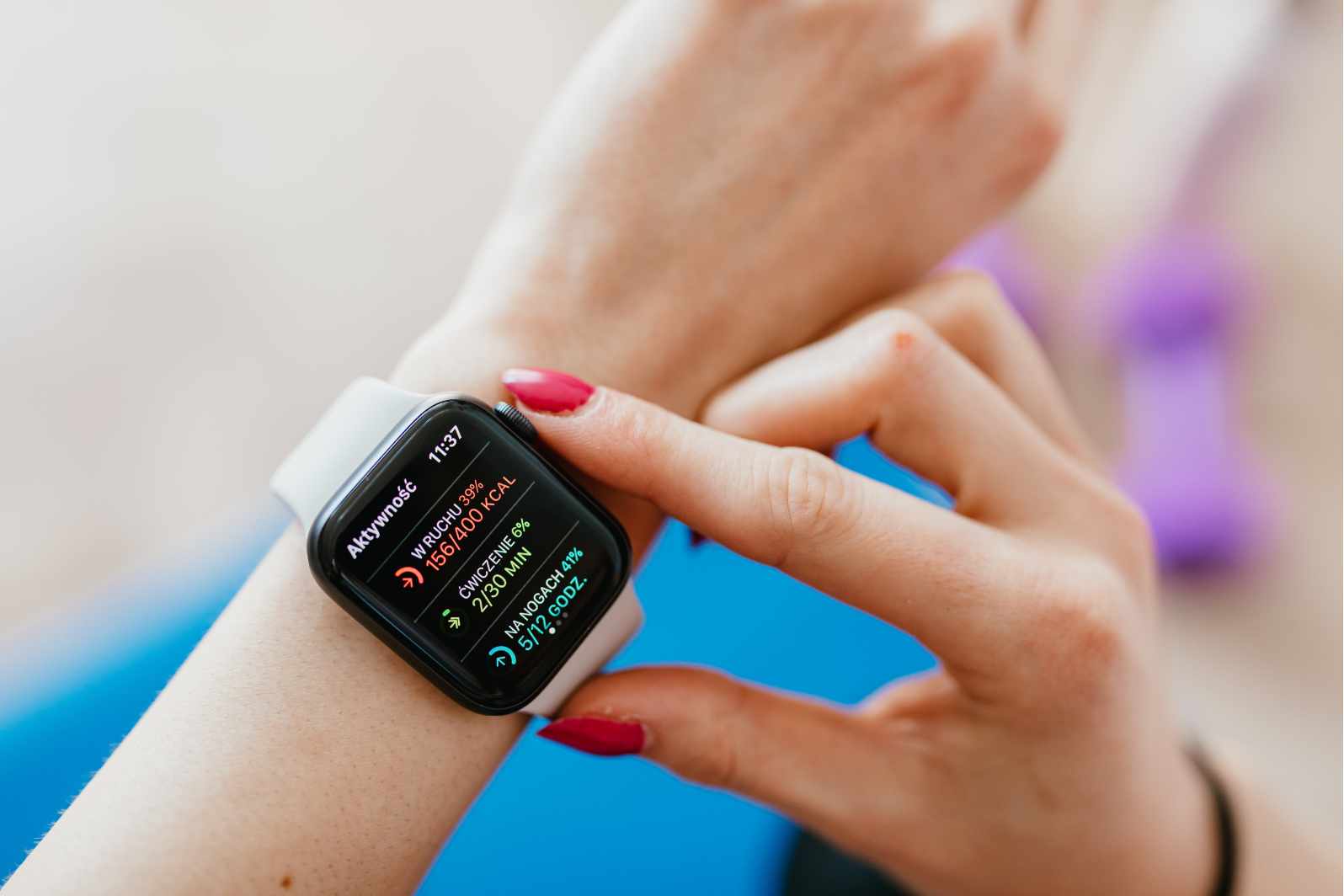
Fitness trackers are pretty much a necessity nowadays. With step counting, heart rate monitoring and sleep tracking all at our fingertips, these devices are supposed to usher us into a healthier future. But as they’re useful tools, not everything they present is accurate – or meaningful. Most people have no idea how to make sense of it at all, leading to frustration, fixation or unwarranted overconfidence. We’ll be dispelling the most typical fitness tracking myths that you should absolutely stop believing right away.
1. It’s Always Better to Walk More
Among the most popular fitness goals is making 10,000 steps a day. Walking is great exercise, but that figure is a guess – not a medically proven prescription.
Recent research indicates that 6,000 to 8,000 steps a day can lower the risk of disease for adults. The quality of movement, whether that means brisk walking or strength training, is so much more important than the quantity.
Reminder: This is not about pursuing a number but about regularly engaging in physical activity.
2. Calorie Counters Are 100% Accurate
Fitness trackers, by general formulas that interpolate from your heart rate, movement and body stats to estimate calories burned. But, depending on the device and type of activity, these estimates can be incorrect by 10-25%.
Trackers, for example, tend to be less accurate when weightlifting or cycling as opposed to running. Rather than being obsessed with calorie counts, just judge how you feel and how your clothes fit over time.
3. A High Heart Rate Is Always a Sign of a Good Workout
It’s a myth that a higher heart rate means better performance. Heart rate is an essential gauge, but it is not the only one.
Fitness is influenced by elements such as intensity, recovery and length of time. In fact, you can burn fat effectively with low-intensity steady-state cardio even if your heart rate is only moderate. Monitoring heart rate zones — not peaks — provides better insight into how effective your workout is.
4. Trackers Can Replace Professional Advice
As advanced as your wearable may be, it’s not going to replace a fitness coach, nutritionist, or doctor. Trackers gather data, but they can’t necessarily analyze complex health conditions or tailor workout plans for individuals.
Example: A tracker can make note of “elevated heart rate,” but only a medical professional can discern if it is the result of exercise, anxiety or an underlying condition.
5. Sleep Trackers Know How You’ve Slept. cancellationToken
Sleep trackers, as much as they track movement and heart rate (and, sometimes, oxygen levels), don’t have a reliable way of measuring deep or REM phases of sleep. Even the most effective models can merely estimate the quality of our sleep.
Don’t obsess about the numbers, just take it as a guide. Whether you wake up feeling rested is often a more reliable gauge of quality rest than what your app tells you.
6. All Fitness Trackers Are the Same
Different devices have different sensors and algorithms. Some budget trackers might give you vague readings, whereas high-end wearables are more likely to use accurate tech.
Always make sure to look at reviews or medical accuracy certifications before you buy. A $30 band and a $300 fitness tracker are not going to give you the same amount of accuracy — for metrics such as heart rate variability (HRV) or oxygen saturation (SpO₂ ) in particular.
7. Fitness Tracking Guarantees Motivation
Wearing a fitness tracker will make you more active.+”&which=author%3A”Phys Ed” Many people think that using a fitness tracker will make them healthier. But motivation is a matter of mindset, not gadgets.
Data can motivate change, but relying too much on it may add to pressure or guilt when goals are not reached. Take the pressure away from your tracker instead make it a tool of support.
8. Oh, Your Fitness Level Is Known by Your Tracker
Trackers can estimate VO₂ max (a measure of aerobic fitness), but these readings rely on a small pool of data and algorithms – not professional tests.
Real Bio-data fitness assessments take into account:
- Strength and endurance.
- Flexibility and posture.
- Body composition.
- Recovery rate.
Fitness trackers provide a snapshot, not an X-ray of health.
9. You Must Track Every Workout
The mental exhaustion that comes along with always tracking every step and lift (and calorie) adds up. Smart fitness tracking should make you feel good, not bad.
And sometimes, if you leave your device at home or lose it, you can let the body guide itself. You will learn to listen to cues in your body – breathing, muscle fatigue and energy – rather than just numbers.
10. Fitness Tracking Is Only For Athletes
Tracking, it turns out, is not for fitness buffs alone. It’s just as useful for novices, older patients or people who are on the mend from an illness. It can monitor heart rate, sleep and even overall activity levels without risk.
But it’s also worth keeping in mind that fitness tracking is just one part of the wellness puzzle – lifestyle behaviors, like eating right, sleeping enough and managing stress are too.
Key Takeaways
- They are great tools but not perfect – they are providing you with an estimate, not exact science.
- A high step count and calorie burn don’t always equal true progress in health.
- Of course, professional guidance is still crucial if you have individual fitness or health goals.
- Instead, focus on trends over time, not day-to-day fluctuations.
- The focus is to establish healthy habits and not chase numbers.
Conclusion
Fitness trackers are like divorcées in the dating scene: They want to come home with you, but not until they’ve made sure that this time will be better than last. They are useful perspectives, not ultimate truths. By knowing its limitations and concentrating on the big picture of health, you can transform your fitness data into actionable insight. Remember – your health is more than just what’s on your wrist; it’s how you move, rest and live every day.
FAQs:
Q1. How useful are fitness trackers actually?
They give great overall rule-of-thumb figures but can also be off by 10–25% for calories and others in detail.
Q2. Do I have to take 10,000 steps a day?
No. Even just 6,000–8,000 steps per day of walking have significant health benefits if you also maintain active habits.
Q3. Do I need to keep my tracker on?
Not necessarily. Take a break for stress or skin irritation, to get reconnected with your body’s natural signals.
Q4. Do fitness trackers diagnose illnesses?
A few may be able to flag irregularities, but a diagnosis should always come from a health care provider.
Q5. What is the right way to use a fitness tracker?
Keep a longer-term view, balance out your activity with rest and use the data to keep you present, not obsessed.
