


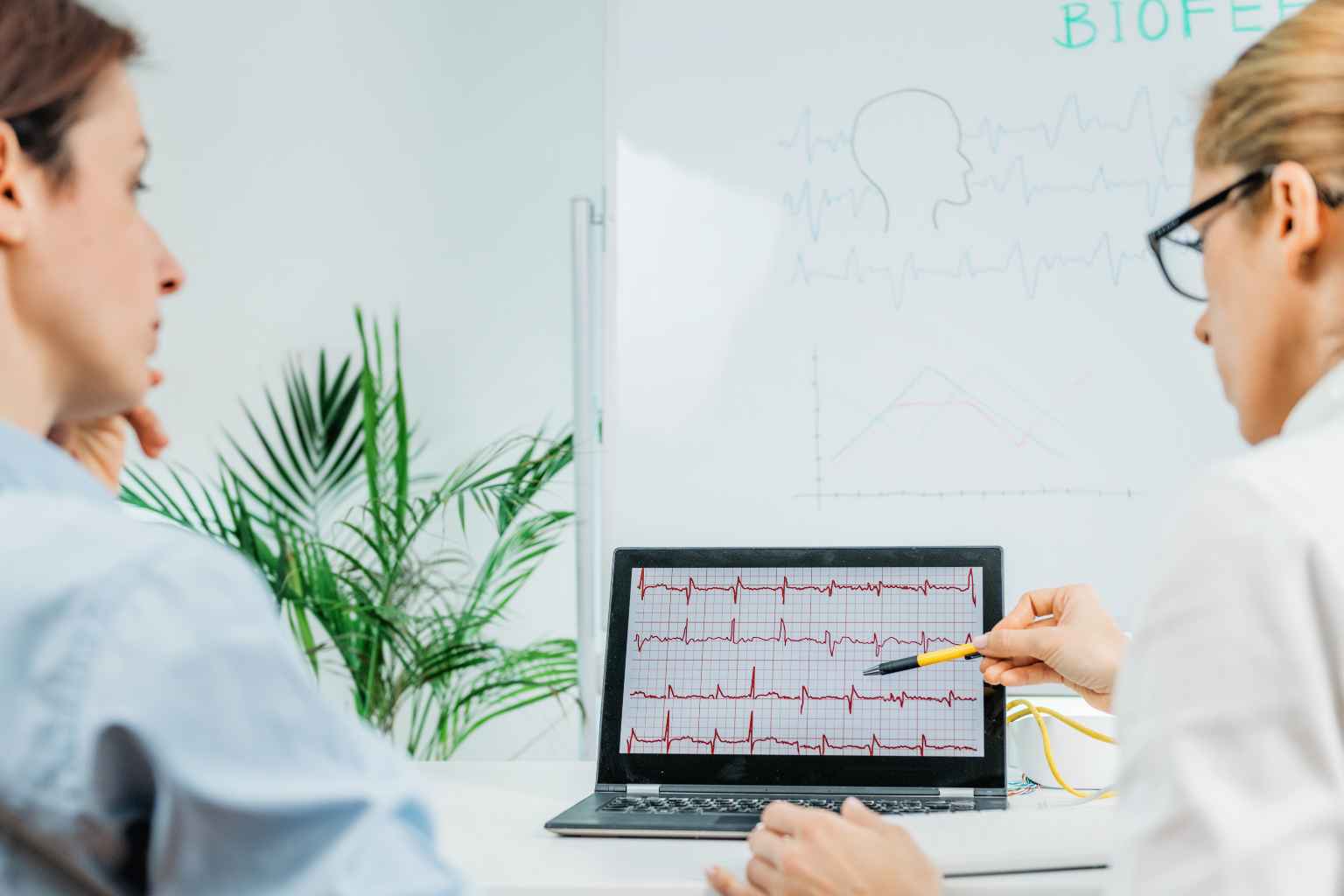
Emotional resilience the ability to stay steady and even bounce back in the face of stress, adversity, or failure has become increasingly essential in our accelerating world. Rather than enjoying glorious things, many of us feel the need to immerse ourselves in distractions because life is so full of anxious moments. One such advance is biofeedback, in which contrary to popular perception and everything we thought we knew from watching those 1980s after-school specials science teaches us how to control physiological processes like heart rate, breathing and muscle tension. By uncovering these internal mechanisms and making them trainable, biofeedback gives people the tools to better regulate stress and emotion.
1. What Biofeedback Is and How It Works
Biofeedback is the practice of monitoring physiological functions – such as heart rate, brain activity, skin temperature and respiration – with the aid of sensors and digital display. These signals are then projected on a screen, providing you with a visual representation of how your body is reacting to thoughts, emotions or stress. This enables users to practice controlling these engagements of their body and affect consciously, leading them toward enhanced emotional regulation and more effective self-control over affect. The approach serves as a bridge between mind and body, revealing that emotions are not intangible or simply psychological but play themselves out in our physical state.
2. The Science Behind Emotional Resilience
Emotional resilience revolves around how effectively the body and mind respond to stress. When confronted with difficult situations, the nervous system triggers the “fight or flight” reaction, raising heart rate and tension. Regular activation may cause burnout or anxiety. Biofeedback helps to retrain the nervous system into a more relaxed, self-regulated state. The brain learns to stay balanced in the midst of stress, and both emotional stability and cognitive clarity increase over time. This scientific method can efficiently and gradually help people develop a stronger resilience through measurable, consistent practice rather than abstract mindfulness only.
3. Biofeedback Devices In Mental Well being
Nowadays biofeedback machines make this possible for anyone. Wearable sensors, as well as smartphone applications, may allow real-time physiological monitoring with instant feedback (e.g., via visuals or sounds).
Types of biofeedback The most common are:
- Heart Rate Variability (HRV) Monitors: Monitor heart rhythm to measure levels of stress and relaxation.
- EEG Headbands: Track and train attention & relaxation through brainwave activity.
- Skin conductance sensors: Use the amount of sweat gland activity to detect emotional arousal.
- Breath Sensors: Promote ideal breathing patterns for relaxation.
- Thermo Sensors: Detect blood flow and temperature to pick up tension.
Now, users can, with these tools, better understand their stress responses and learn how to actively manage that stress.
4. How Biofeedback Training Works
Biofeedback training refers to regular exercise regimens driven by feedback from monitoring tools.
- Evaluation: The user’s physiological expressions are quantified as multiple levels of stress.
- Alertness: Immediate feedback on how emotions are influencing body signals.
- Control techniques: You breathe, relax or focus in a specific way to change responses.
- Reinforcement: Regular practice increases your connection between such thoughts and relaxation of the body.
- Adaptation: A person’s body eventually adjusts and learns to balance on its own without any equipment.
That rewires the brain and nervous system to better handle emotional challenges.
5. Biofeedback and Stress Reduction
One of the major contributors to emotional burn out and poor mental health is stress. Biofeedback can even be helpful in this case, as it allows instant recognition of stress signs before the situation becomes overwhelming. For example, an elevated heart rate or tense muscles might signal the beginning of stress symptoms. Users can then use relaxation practices to return their systems back to a state of equilibrium. Biofeedback moves stress management out of the realm of disaster response and toward prevention, helping individuals avert blowing that emotional fuse.
6. Building Emotional Awareness Through Biofeedback
An awareness of the emotional self is crucial for resilience, and biofeedback can facilitate this by making invisible responses visible. When we can see how anger, fear or anxiety affects our bodies, we’re better able to manage those emotions. This self-awareness sets up a powerful feedback loop – noticing early emotional warnings signs, reacting in a nonreactive way and defusing situations. Over time, this accumulates into emotional intelligence that allows you to handle challenging situations with empathy and equanimity. This approach is reflected in biofeedback, which has people learn that emotional control isn’t at all about suppression but acknowledgment and regulation of one’s internal state.
7. Therapeutic and Performance Applications of Biofeedback
Biofeedback is also being utilized more and more by therapists and performance coaches to help individuals in many different types of work. It is beneficial for people with anxiety, PTSD, ADHD and while chronic pain. In sports psychology, biofeedback is utilized by athletes to get in the zone and decrease performance anxiety, as well as facilitate faster recovery.
Key therapeutic benefits include:
- Less anxious, less prone to panic.
- Better management of emotions in the recovery from trauma.
- Directed attention in students and professionals.
- Better physical relaxation, for joint, pain and tension relief.
- Confidence and play abilities in high performance environments.
That’s what makes biofeedback such a two-handed boon to both mental and physical change-makers.
8. How Technology Is Advancing Biofeedback Practices
Advances in technology to enable Biofeedback SoftwareBiofeedback Devices is more sophisticated and user-friendly. Back in the present day, there are now AI systems that analyze your body’s complex biometrics to recommend stress management programs tailored specifically to you. Virtual reality environments are being paired with biofeedback to mimic relaxing situations that instruct in emotional management. Wearable devices communicate with smartphone apps and deliver feedback throughout the day. Therapists can also keep an eye on the client’s progress by accessing cloud-based platforms from anywhere. Biofeedback is entering the ‘digital mental health and self-improvement’ ecosystems, as technology continues to advance.
9. Biofeedback and Mindfulness: Exploring the Connection
While biofeedback and mindfulness hail from different traditions, they work towards a common goal of self-awareness and emotional modulation. Where mindfulness teaches how to notice these emotions without judgment, biofeedback gives concrete evidence of them. Attended to in combination, they have a synergistic impact. Mindfulness promotes emotional awareness, and the biofeedback offers quantifiable evidence to support advances. This duo supports the user to be grounded, maintain focus and to feel resiliency in their everyday life with a combination of ancient wisdom combined with modern science.
10. The Place of Biofeedback In Emotional Health
The road ahead for biofeedback rests with deepened ties to AI, neuro sciences, and wearables. The biofeedback system of the future will monitor as well as anticipate emotional response through real-time analysis of data. Such systems might one day customize stress management training according to individual stress patterns and daily rhythms. With the new insights into neuroplasticity, biofeedback may develop as a cornerstone in prevention of mental illness. It is a departure from reactinve therapy to proactive emotional equipping for a vibrant, balanced life.
Key Takeaways
- Learn about biofeedback Biofeedback can help you lean how to voluntarily control your stress-related physiology.
- It helps our mind building emotional resilience which include greater awareness, as well greater being able to relax more effectively.
- Biofeedback is becoming more individualized with the use of wearable and AI tech.
- The addition of biofeedback to mindfulness will further promote mental and physical health.
- The next generation of biofeedback is going to be predictive emotional regulation but also preventative care.
Conclusion
A new way of building the emotional resilience our technology-crazed world requires, biofeedback is. By tuning mind and body to measurable cues, it makes emotional control into something like a muscle skill, which anyone can learn and refine. As a result, the practice teaches people to better face challenges with peace and clarity of mind, ultimately promoting both mental and physical well-being. As technology improves, biofeedback will grow even more into a foundational pillar in emotional wellness – it’s not just about coping, but thriving amid stress.
FAQs:
Q1. What is biofeedback used for?
Biofeedback is used to teach people to gain control of bodily functions such as heart rate and breathing to help alleviate symptoms such as stress, anxiety and emotional reactions.
Q2. What can we attribute the fact biofeedback increases emotion resilience?
It assists people in perceiving and controlling their bodily stress reactions, resulting in higher self-discipline and emotional stability.
Q3. Is biofeedback scientifically proven?
The short answer is yes: There’s lots of research supporting biofeedback as effective in addressing stress, anxiety, and other emotional or physiological issues.
Q4. Can I do biofeedback at home?
Yes, does biofeedback for incontinence devices work at home?chéenefit from the use of either a smartphone app or a portable device to follow along with exercises.
Q5. Is biofeedback similar to meditation?
Although both practices induce calm, biofeedback relies on data-driven feedback that measures your progress rather than the mindfulness aspects of meditation.
