


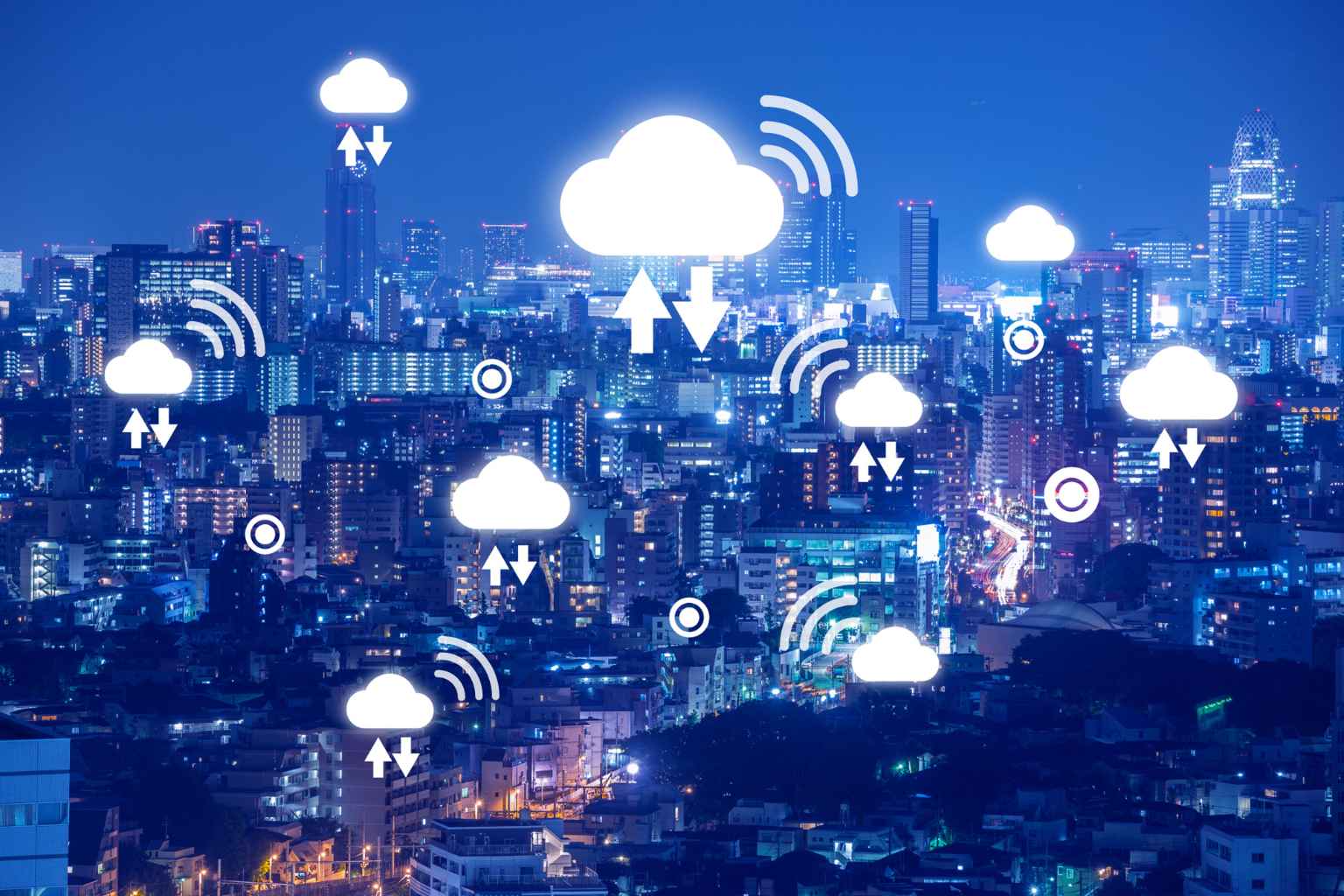
Cities are growing at an unprecedented rate, requiring more intelligent ways to design, govern and live in them. Digital Twins virtual versions of cities that replicate real-world conditions using real-time data to model and improve urban systems. With the power of technologies such as IoT, AI, and GIS tools behind them, digital twins place planners at a vantage point where they can see how changes to infrastructure, transportation, and environmental factors are going to play out on the ground. The cutting-edge makeover of urban planning, this digital revolution transforms cities into sentient entities that learn how they are being used and adapt their functions to the evolution of their populations.
1. What Is a Digital Twin in a City?
A digital twin is a living, dynamic virtual model that replicates a physical system of systems by using real-time data from sensors and other sources. In urban planning terms, this involves everything from simulating the movement patterns of people inside buildings to modeling an entire city, with roads, utilities and other infrastructure. What sets digital twins apart from static maps, or even models of reality, is that they are designed to always be optimizing among new available data, offering planners an up-to-the-minute and changing view of a city at work. Such information allows for predictive modeling, real-time decision processing and better management of infrastructure.
2. How Digital Twins Work
The way the digital twins operate is based on integrating together several technologies capable of collecting, processing and rendering in real-time real world data.
Key technologies supporting digital twins are as follows:
- live environmental and traffic data collecting I nternet of T hings (IoT) sensors.
- Software/data: We use GIS for spatial mapping/visualization.
- AI for Predictive and prescriptive analysis and automation.
- Data is stored in the cloud and it integrates scalability.
- 3D modeling and simulation technology to objectively experience virtual environments.
If these systems are operating hand-in-hand, they could form a digital ecosystem that would emulate the kind of complexity seen in actual city settings.
3. The Transition from Smart Cities to Intelligent Twins
Smart cities brought the notion of using data to make urban living better but digital twins go one step more by allowing simulations on a metropolitan scale. Rather than respond to data after the fact, cities are finally able to predict outcomes before they put policies or infrastructure in place.
- The first incarnations of smart city systems concentrated on traffic and utilities.
- Digital twins incorporate predictive analytics, which can signal when congestion or energy consumption is about to happen.
- Planners can experiment with “what if” scenarios without causing real-world havoc.
- AI algorithms propose optimal solutions to pave the way of sustainability.
- This transition is the beginning of moving from a reactive management focus to a proactive innovation process.
Thus, cities are not only smarter but adaptive and resilient.
4. Enhancing Infrastructure Design and Development
A powerful application of digital twins is in infrastructure planning. They enable engineers and planners to model anything from bridges and roads to sewage systems before something gets built.
Benefits for infrastructure projects include:
- Proactive identification of design errors, minimising construction risk.
- It simulates the performance of material under different stress conditions.
- Incorporation of sustainability information to reduce the environmental impact.
- The efficiency of construction material used to make efficient and cost-effective selections.
- More efficient communication among architects, contractors and government officials.
- This level of understanding saves money, cuts project times and increases the longevity of infrastructure.
5. Urban Mobility and Traffic Control
Digital twins are about to transform the way cities run their transport systems. Now, with real-time information from vehicles and sensors, public transit systems can simulate traffic flow to ease traffic jams and make vehicle travel safer all thanks to computer models that analyze data in real time. Such predictions could be used to forecast rush-hour bottlenecks, for instance, or help evaluate the potential impact of new metro lines before they’re constructed. Digital twin systems already optimize urban mobility in Singapore, Helsinki and Dubai by changing traffic signals for better management and suggesting efficient routes using live conditions. This intelligent coordination means that the daily commute can become more efficient and healthier for all of us.
6. Sustainability and Climate Resilience
Amid mounting threats from climate change, digital twins are becoming essential tools for sustainability. They help cities track pollution levels, analyze energy use and build green solutions that minimize the environmental impact.
Sustainability applications include:
- Monitoring air quality and pinpointing pollution to its source.
- Modelling the flood and heatwave scenario for disaster preparedness.
- Maximum renewable energy flow and garbage strategy with t-streets.
- Creating environmentally friendly buildings and green spaces.
- Preventing carbon footprints when energy-efficient location planning is possible.
Digital twins are the link that turns sustainability objectives into measurable, actionable results that make city smart and green.
7. Citizen Engagement and Data Transparency
One of the most disruptive impacts digital twins have is their role in communicating with citizens over city planning. Publicly available city models could be shared so residents can see plans for new buildings. This openness creates trust and invites community participation. Directly incorporating public input into such simulations could allow planners to make more inclusive decisions. Already, cities like Rotterdam and Singapore are using digital twins to engage citizens in the construction of their neighborhoods. This in turn ensures that development will be urban, reflecting real needs and not simply administrative priorities.
8. Economic and Operational Efficiency
In addition to environmental and societal benefits, digital twins bring major economic opportunities. And predictive maintenance enabled by digital modeling can save cities millions in repair costs by alerting them to problems before they balloon.
Operational efficiencies achieved include:
- Automated monitoring of infrastructure performance.
- Lower downtime of public utilities, due to predictive alerting.
- Cost savings: Economical deployment of resources.
- Efficient schedule and logistics management of public transport.
- Streamlined collaboration with other city agencies.
By mixing real-time analytics with proactive preparedness, digital twins make cities more cost-efficient and dependable.
9. Barriers to Digital Twin Implementation
However, even though digital twins have great potential, there are also challenges surrounding its use in urban planning. The technology needs good data, a large investment and the cooperation of many departments to succeed. There are also major issues around data privacy and cybersecurity, as citywide systems manage sensitive information similar to a company that serves tens of thousands of people. And the relationship between those systems can be far from seamless. To address these challenges, government will need to set clear policies and make investments in digital infrastructure; they are going to have to partner with the private sector. When properly implemented, these partnerships bring out the true potential of digital twin technology.
10. What’s Next for Urban Planning, With a Digital Twin
Digital Twins of the future are set to include AI, 5G and real-time citizen engagement. Digital ecosystems will connect everything, from streetlights to transportation, unlocking new ways for cities to operate in the future. Planners will rely on AI-led simulations to forecast decades of urban growth, and design smarter housing, energy and transport strategies. Through ever-increasing innovation, digital twins will not just drive sustainable development but provide a new definition of what it means for cities to learn, live and grow.
Key Takeaways
- Digital twins generate “real-time virtual replicas” of cities to provide smarter decisions.
- They improve infrastructure planning, traffic control and sustainable investments.
- The people can participate in the urban development on a real-time bases online.
- Predictive analytics and AI power cost savings and operational resiliency.
- The future of city planning is in connected, data-informed, and responsive ecosystems.
Conclusion
Digital twins are changing urban planning into a dynamic and data-driven discipline. They enable cities to design smarter, build more sustainably and respond wisely to challenges. By combining the physical and digital worlds, urban planners can predict the future before they break ground – to minimize risks and maximize outcomes. This was a view of the future: in due course, as technology advances, digital twins will be at the heart of resilient, inclusive and environmentally friendly cities. The actual revolution in urban development is no longer on paper – it’s happening through pixels and data.
FAQs:
Q1. What the hell is an urban planning digital twin?
A digital twin is a virtual city model, based on real-time data that simulates and optimises urban systems such as transport, energy, water and information.
Q2. What sets digital twins apart from traditional urban planning tools?
In contrast to static models, digital twins are constantly updated, enabling planners to project the results of plans and test decisions in real time.
Q3. What cities are doing the best with digital twins implementation?
The likes of Singapore, Helsinki, Dubai and Rotterdam are leading the charge in cities leveraging digital twin tech for urban management purposes.
Q4. Why do digital twins matter for sustainability?
They facilitate the monitoring of energy consumption, the decrease in pollution and the simulation of environmental threats to improve resilience planning.
Q5. What challenges are hindering the adoption of digital twinning?
High initial costs, privacy concerns and integration with the existing system are major obstacles for wide-spread deployment.
