


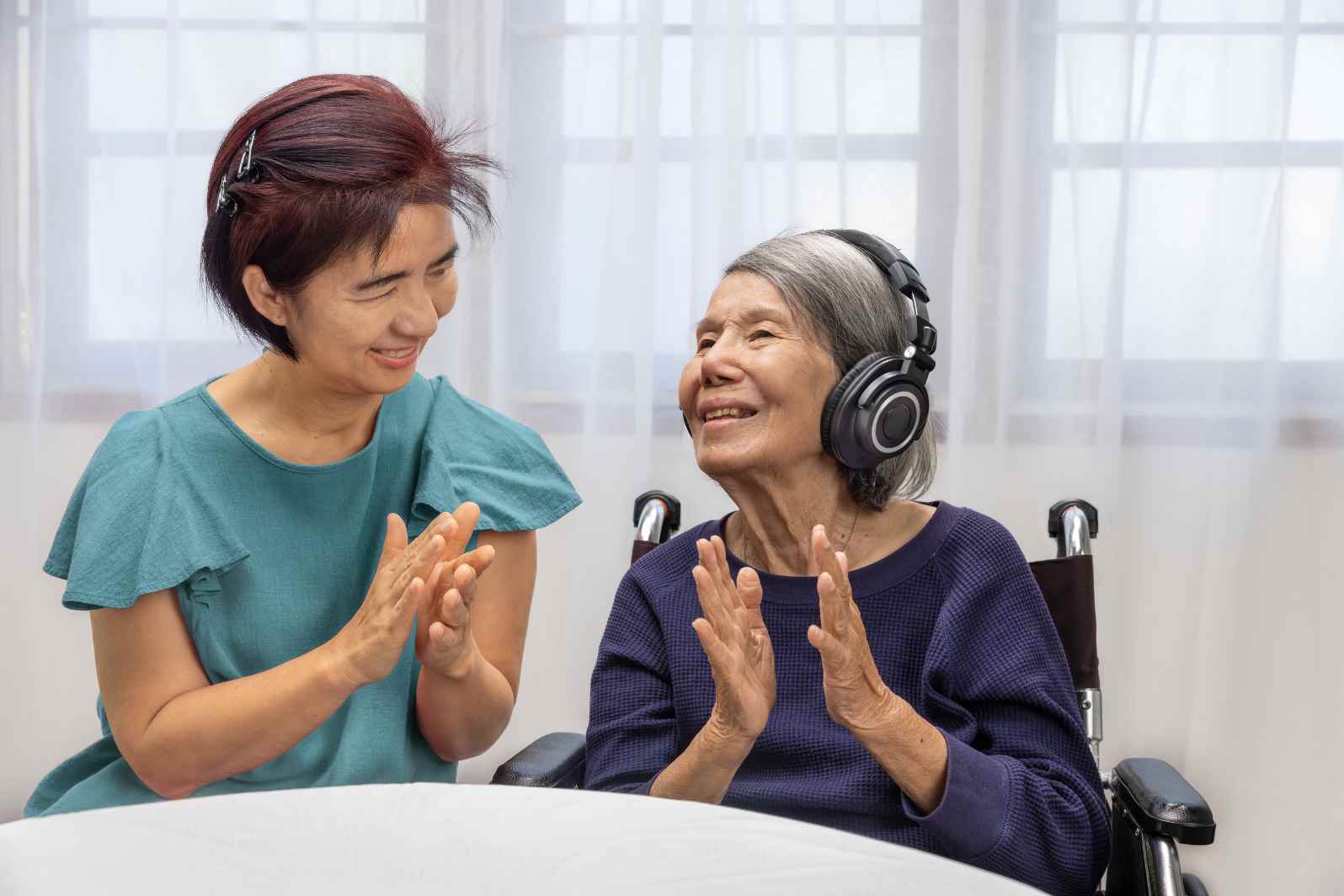
For years, music has been a source of comfort, joy and inspiration – but science is providing evidence that the old adage “music heals” may actually be true. Music therapy, an emerging area of health care that employs sound, rhythm and melody to restore mental, emotional and physical health. Whether it is to alleviate anxiety or recover from stroke, however, it turns out to be among the most natural and potent therapies available.
1. The Science Behind Music Therapy
Music therapy relies on how the brain manipulates sound. When we listen to music, it stimulates several areas of the brain – including regions involved in emotion, memory and even physical movement.
MRI studies have demonstrated that music can induce the release of dopamine (the “feel-good” hormone) and oxytocin, two neurochemicals in the brain that helps to alleviate stress and foster bonding. As a result, music therapy is good for your brain and body.
2. The rhythm of repetition
Rhythm has a particular effect on the body’s rhythms – the heartbeat, breathing and brain waves. Therapists will also use specific tempos or beats to help patients relax, focus, or coordinate their movements.
Rhythmic brain activity and heart rate can indeed synchronize in response to rhythmic drumming, in some cases via “entrainment,” which assists people with anxiety or PTSD to calm their nervous systems. For stroke patients, rhythmic sequences can be used to recondition the movement in limbs that have been affected.
3. Music Therapy for Emotional Healing
Music lends an escape to people for difficult emotions that can’t be put into words. Therapists come for guided listening, songwriting or improvisation sessions to help patients process trauma, grief or depression.
For example:
- Making a personal playlist can alleviate feelings of sadness or loneliness.
- Chanting relaxes the body and boosts your endorphins.
- Songwriting is a means to express emotion in a safe and creative environment.
Music acts as an intermediary tool for emotions and expression, aiding a person’s healing process from within.
4. Reducing Stress and Anxiety
The most prevalent use of music therapy is stress reduction. Meanwhile, slow-tempo, melodic music reduces levels of cortisol and slows heart rate, so the body can slip into a relaxed mode.
Today, hospitals and wellness centers pipe in therapeutic soundscapes to soothe pre-surgery or pre-procedure jitters. By even just five minutes of mindful listening you can reduce the tension dramatically.”
5. Supporting Cognitive Function
Music therapy can enhance memory, attention and even cognitive flexibility in older adults or those with neurological conditions such as Alzheimer’s disease and Parkinson’s.
Music has its own unique way of getting through to our hearts and sometimes in ways that words cannot reach. On the contrary, some dementia patients who have difficulty speaking can sing or remember lyrics with clarity, allowing access to parts of their brain that are otherwise elusive.
6. Enhancing Physical Recovery
In physiotherapy, music therapy can help improve motor skills and physical activity. Patients are led by rhythmic cues during exercises or walking to help improve coordination and balance.
Examples of physical benefits:
- Faster recovery after stroke or surgery.
- Improved movement for Parkinson’s patients.
- Better respiratory rhythm for people with chronic lung conditions.
Music motivates, energizes, and assists the body’s natural healing rhythm.
7. Music Therapy in Mental Health Care
More and more, therapists are incorporating music into treatment for mental health conditions such as depression, PTSD and even addiction. Music’s nonverbal nature allows patients to express emotions they may otherwise suppress.
Group music therapy even promotes social bonding, empathy and shared healing – critical aspects of trauma recovery or recovering from addiction.
8. Music and Pain Management
Music therapy works to decrease pain by diverting the mind and inducing endorphins. Now it’s used in hospitals, birthing centers and even cancer treatment units to help patients manage pain.
For instance, when patients listen to calming music while receiving chemotherapy, they frequently experience reduced pain and fatigue. The right tune can quite literally change the way the body responds to what are often such debilitating pain signals.
9. The Universal Language of Healing
The music is unlike words, permeating all cultures and spoken languages. Its emotional impact is universal. That’s why music therapy works across so many different patient populations – children, veterans, elderly patients and even newborns.
For centuries, lullabies, chants and songs have been one of the most natural healing remedies. Modern science is merely proving their age-old wisdom.
10. The Future of Music Therapy
Technology is helping music therapy reach more patients in the form of A.I.-generated soundscapes, virtual reality sessions and personalized playlists that respond to a person’s mood or heart rate.
Some researchers are investigating whether certain frequencies can encourage cellular repair or improve sleep quality. Music may be part of the medicine of the future, in preventive and personalized medicine.
Key Takeaways
- Music therapy helps heal the by revving up both brain and body at once.
- It reduces stress, anxiety and depression (and improves memory and focus).
- Rhythmical music is employed by various physiotherapy modes to train movement and coordination.
- Creating or listening to music enhances mental well-being through an emotional release in songwriting or guided listening.
- AI-led music therapy could transform healthcare in the coming years.
Conclusion
Music therapy shows us that healing doesn’t always involve pills or procedures – sometimes it’s found instead in rhythm, melody and human connection. Through the union of science and art, it brings balance to mind and body. Whether soothing anxiety, facilitating recovery or awakening accompanied-with the lost memories, music continues to be perhaps humanity’s oldest and most powerful form of medicine – a power that will remain throughout ages.
FAQs:
Q1. What is music therapy for?
It is used to treat emotional, psychological and physical conditions ranging from anxiety and depression to stroke recovery and chronic pain.
Q2. Is it for people who are musically talented?
Not at all. Music therapy is about the emotional encounter with sound – not your talent for playing music.
Q3. Will music therapy work for sleep disorders?
Yes. Over time, slow, rhythmic music can help control respiration and heart rate) –both of which can aid a more restful sleep.
Q4. Is music therapy scientifically proven?
Yes. It has been studied for those purposes in a wide range of studies, and is shown to have potential benefits for mental health, pain modulation, and neurorehabilitation.
Q5. Where does a person go for music therapy?
It can be found in many hospitals, counseling centers and schools, and it is offered through board-certified music therapists.
