


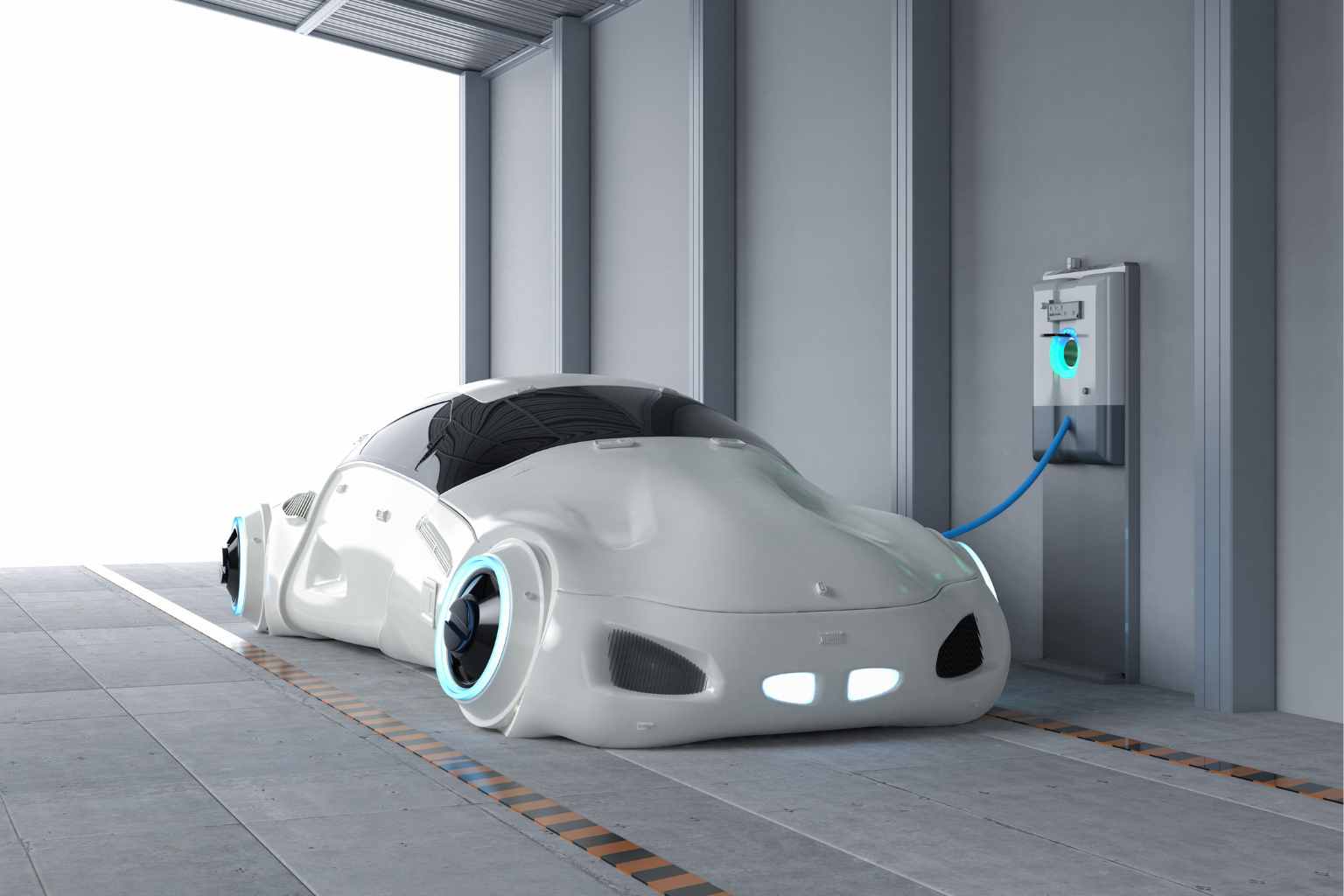
From early curiosities to mainstream symbols of innovation, electric vehicles (EVs) have come a long way. And beyond performance and range, the new generation of EVs differentiate by design. The future of electric vehicle design is all about minimalism and power stylishly simple exteriors married to strong performance and smart insides. This delicate balance of beauty and brawn has come to shape the way modern mobility looks, feels and drives.
1. The Aesthetics of the Electric Car Throughout History
Early electric cars were designed to be efficient more than stylish, evident in some awkward or experimental designs. But with the technology maturing, automakers turned to emotions.
Current EVs feature smooth and aerodynamic forms accented by futuristic elements, all of which make these new designs symbols for innovation and environmental stewardship. The next stage will combine visual simplicity and engineering complexity.
2. The Emergence of Minimalist Design Theory
Minimalism is defining the modern-day EV. Car companies are doing away with extraneous complexity and instead pushing clean lines, gentle curves, and instinctual interiors.
The design philosophy is all about clarity and serenity, which results in cars that embody sustainability and intelligence. In a minimalist world, with clutter stripped away, companies are creating spaces that feel futuristic yet timeless.
3. Comfortable, Focused Interiors
The interior of the future EV is less a car cabin and more a digital lounge. As engines grow quieter and dashboards more digital, carmakers are realising that the sound in the cabin can be as important a selling tool as how fast a car can go or what types of gadgets it has.
- “Seamless infotainment screens take the place of buttons long used as controls.
- Natural materials and soft lights add to the relaxing feel.
Minimalist interiors promote concentration and turn vehicles into connected, comfortable spaces that are aligned with the design of smart homes today.
4. Aerodynamics and Efficiency in Design
But aesthetics are only part of the story form must follow function. Aerodynamic efficacy is essential to achieving the extended range and performance.
Designers are employing features flat surfaces, flush-fitting door handles and optimized pathways for air to resist drag. EVs like the Lucid Air and the Mercedes EQS are evidence of that, but they prove that sleek can also mean added range.
5. Power Beneath the Simplicity
Despite looking like minimalist teardrops on the outside, future EVs hide an insane amount of power below their metaphorical hoods. Electric propulsion lets you experience instant torque and zero to 60 like nothing else, all without touching a drop of oil.
And even more understated cars, like the Tesla Model S Plaid and Porsche Taycan, pack performance that would challenge supercars. Minimalism is not weakness it’s intelligent, efficient power that lurks behind elegance.
6. The Place of AI in Design
Artificial intelligence is a key factor in molding the form and function of EVs. Designers deploy AI to simulate airflow and optimize materials, as well as design ergonomic layouts.
AI also enhances personalization. Adaptive lighting, seat adjustments and driving modes, future EVs will cater the driving experience automatically to users.
7. Sustainable Materials and Eco-Friendly Production
The less-is-more ethos applies to sustainability as well. Car manufacturers are also using eco-friendly materials like recycled plastics, plant-based leathers and organic fabrics.
Examples include:
- Volvo No, that’s not ‘new,’ Volvo is already putting bio-based textiles in its interiors.
- Polestar adopting 3D-knitted seat fabrics made from recycled bottles.
It minimizes waste and keeps EV design in line with an ethos of environmental responsibility.
8. Lighting: The New Design Language
Lighting features have also emerged as the means of expression in EV design. From iconic LED signatures to the Advertising which plays headlight animation, lighting contributes to identity and user experience.
Customizable lighting is also being employed by manufacturers to convey vehicle status, charge level or even driver mood. This results in a more instinctive and emotional bonding between human beings and machines.
9. How Concept Cars Inform the Design of Future Vehicles
Concept EVs are design labs for future production vehicles. Cars such as the Hyundai Prophecy, Nissan Chill-Out and Audi AI:ME showcase how simplicity, sustainability and performance could all live together.
These prototypes showcase flowing silhouettes, open interiors, and even AI-driven functionality – all of which will soon inform the future of mainstream electric vehicles.
10. The Road Ahead: Where Minimalism Meets Power
Designing the future of EVs is a balancing act. Cars will look more simple, but workbe more similar to race cars. The next generation of electric mobility will be shaped by smart materials, aerodynamic shapes, and AI-driven personalization.
Part minimalist, part powerhouse, automakers are not just reinventing the vehicle but an entire driving experience one that is sleek, sustainable and electric.
Key Takeaways
- Next-generation EV architecture marries minimalism with performance and sustainability.
- Interiors are changing to smart, serene tech-integrated environments.
- It is efficiency and style, both powered by AI algorithms and aerodynamics.
- Environmentally friendly materials help both design and conscience.
- The next generation of EVs Bring Elegance, Intelligence & Power together.
Conclusion
The E-voluzione is a draff of art and innovation, one that will have an impact for decades to come. Where minimalism and power converge, electric vehicles are emerging as a symbol of progress quiet and strong, simple and high tech. With clean aesthetics, sustainable materials and AI intelligence, the EVs of tomorrow will reimagine mobility as a visceral, emotional experience. The result is nothing less than a revolution in how we drive and if you’ll pardon the pretension, how design connects us to an idea.
FAQs:
Q1. Why are electric vehicles so simple looking?
The less-is-more interior design minimizes visual noise, adds to the vehicle’s aerodynamics and contributes to a serene, futuristic driving environment.
Q2. How are electric vehicles marrying the two virtues of simplicity and power?
Highly efficient electric motors and smart control systems enable EVs to be powerful without having large engines or aggressive designs.
Q3. Do electric vehicles make use of sustainable materials?
Yes. Carmakers are turning to recycled, bio-based and sustainable materials to save resources.
Q4. AI in EV Design How does AI come into play for designing an electric vehicle?
AI contributes to optimising design elements, enhancing aerodynamics and shaping the in-car, individualised experience.
Q5. What does the future of EVs look like?
Aerodynamic shapes, lighting effects, digital interiors& the minimalist philosophy with an emphasis on efficiency and emotion.
