


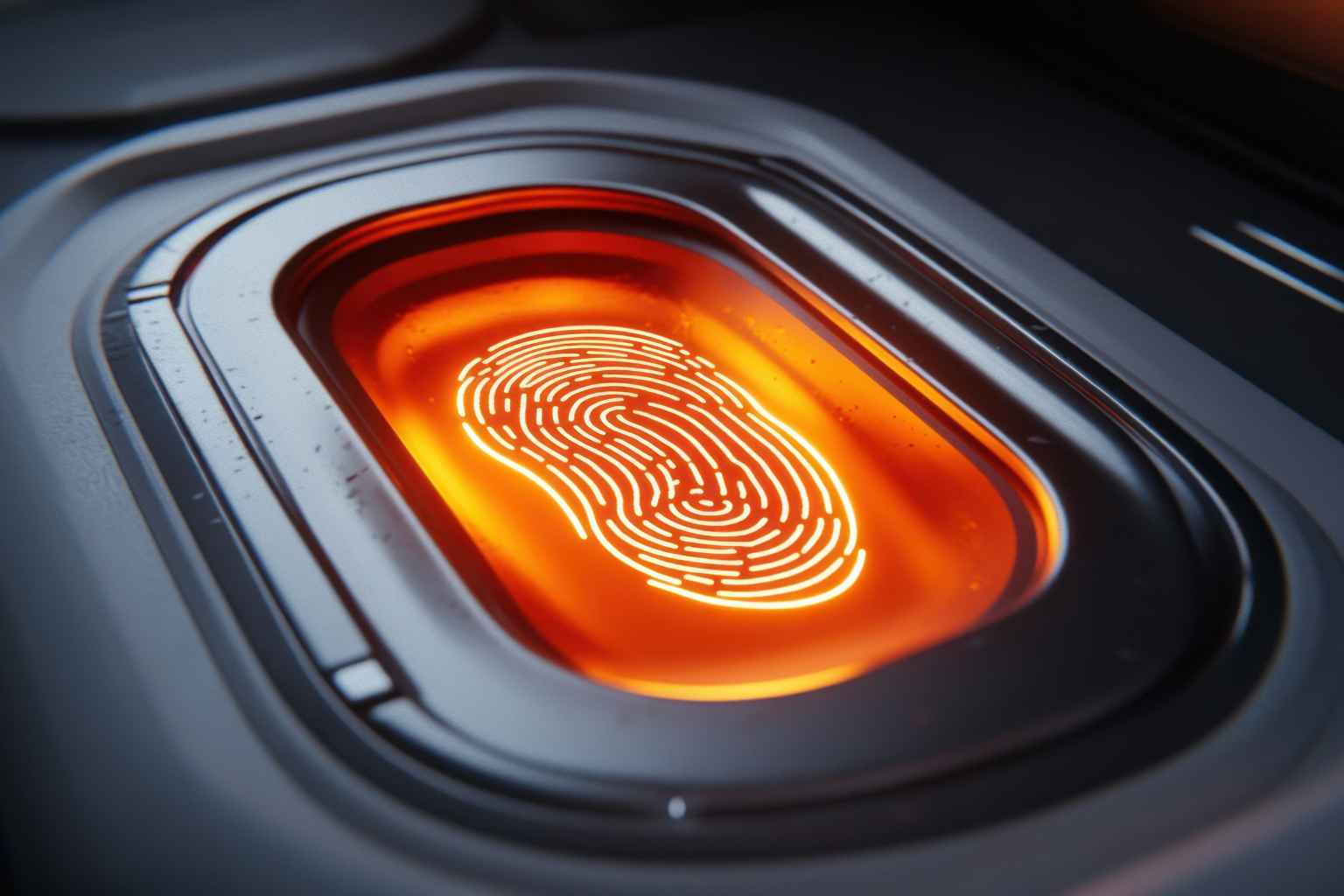
The car business is entering an era where security will be about a lot more than keys and passwords. Biometric technology is now helping to ensure that your car is even more secure, personalized and smart. Biometric systems that use distinctive human characteristics such as fingerprints, facial recognition and even voice patterns are transforming the way we gain access to, and protect our vehicles. This transformation is making the theft of cars harder, driving them safer and owning them more seamless than at any other time.
1. From Traditional to Biometric Security
Car security centered for decades on powered physical keys and electronic fobs. Though practical, these platforms also are exposed to hacking and theft. Biometric technology, however, replaces these weak links with unique human characteristics; which are difficult to replicate.
This transition is all part of a larger trend toward smarter mobility – a world where cars know who you are like smartphones do.
2. What is Biometric Car Security?
Biometric car security is the use of a driver’s biological data to verify and authenticate them. Rather than a button or key, drivers can unlock, start and personalize their vehicles using attributes such as fingerprints, faces or voices.
These systems use AI, sensors and encrypted databases to be accurate and protective of privacy, while being equally secure as they are user-friendly.
3. Biometric Technologies in Cars: Different Types
Automobile manufacturers are already working on a number of biometric technologies to make your car safer and more user-friendly.
- Fingerprint recognition for door unlocking and ignition.
- Facial recognition to identify drivers through cameras.
- Voice recognition for personalized commands and access.
Some upscale models even intergrate a combination of several modes for multiple security layers — meaning only specific drivers constitute the real thing.
4. Fingerprint Authentication: Simple Yet Secure
One of the most popular biometric solutions in today’s cars is the fingerprint scanner. They function much like those in smartphones, but are more accurate and ruggedized.
When a registered driver puts their finger on the sensor, the car immediately recognises them and personalises settings like seat location, temperature, and music choices automatically — removable accessories such as steering wheels can also have a fingerprint sensor. This system not only provides security, but also a level of customization to the driving experience.
5. Facial Recognition for Driver Identification
Facial recognition systems rely on cameras and artificial intelligence algorithms to scan and compare facial characteristics. And beyond simply unlocking doors, they can even sense when a driver is fatigued or distracted, and alert them if that happens.
Car manufacturers such as Tesla, BMW and Hyundai are incorporating facial recognition system to make driving safer and more efficient. This is an innovation that combines convenience and real-time safety monitoring.
6. Voice Recognition and AI Assistants
Another level of control can be provided by voice understanding and voice biometrics. New vehicles featuring personal assistants such as Amazon Alexa Auto and Google Assistant learn the driver’s specific voice tone and enunciation.
This will allow secure voice-based engine start, navigation or locking commands. In the coming years, cars might also decline voice access to unknown speakers, which would add another layer of offense.
7. Enhanced Anti-Theft Capabilities
The primary merit of biometric security is the prevention of theft. As biometric information can’t be copied or stolen and used in the same way one might take a key fob, cars with these systems are much more difficult to steal.
At an attempt to steal a vehicle, biometric systems can lock the car down automatically or issue warnings directly on the owner’s smartphone, for full control even at distance.
8. Data Privacy and Security Challenges
Biometric systems improve the level of physical security, but also bring concerns over private data. The Secure Enclave is also used to keep biometric data safe and secure from misuse.
They’re doing so through on-device storage, which means that data never escapes the car’s internal system. This provides privacy but also instant recognition and protection against attempts to hack.
9. Market Adoption and Leading Innovators
Auto titans such as Mercedes-Benz, Hyundai and Genesis already have shown some biometric systems in a few models. As prices of these systems drop, more midmarket vehicles will see biometric entry within the next three years.
Entrepreneurs are also innovating in the field with scalable solutions in machine learning, cloud connectivity and IOT for worldwide impact.
10. The Future of Biometric Mobility
Biometrics will be in most cars by 2030. Cars of the future could be multi-biometric, integrating fingerprinting, iris scans and voice ID for a security triple whammy.
Beyond merely gaining access, biometrics can provide personalised driving profiles, health monitoring and adaptive AI interfaces that cater the experience to each user. The car will evolve into much more than just a vehicle, but rather a trusted digital companion.
Key Takeaways
- Biometric auto security combines safety and customization.
- We have fingerprint, facial and voice recognition.
- AI-powered systems are able to identify in-the-moment theft and driver fatigue.
- Securing the data: The safe addition of biometric systems is only possible through privacy-conscious security.
- Biometrics in the car will be as common as power steering by 2030.
Conclusion
The birth of biometric car security systems is another achievement of the automotive innovation. Not only do these smart systems provide greater security to the vehicle, but the added measure of ease and personalization into previously-unseen territories. As the technology evolves, it will merge easily with artificial intelligence and connectivity, promising drivers not just safer trips but also more intelligent ones. It’ll be personal, intelligent and undoubtedly human – that’s the future of car security.
FAQs:
Q1. What is biometric car security?
That’s a system that secures and manages access to vehicles using physical or behavioral characteristics, such as fingerprints, faces or voices.
Q2. How does the car thief get foiled by biometrics?
Before the car can even be driven, they verify the driver’s identity to prevent anyone from starting it who isn’t supposed to.
Q3. Are biometric car systems immune from hacking?
The vast majority operate on-device encryption and no-online storage which means one cannot hack from outside of application or not stolen any data.
Q4. What cars feature biometric security technology right now?
Brands such as Hyundai, Genesis, Tesla and BMW have implemented biometric identification in some of their high-end automobiles.
Q5. Will car keys be replaced by biometrics?
Yes, in the next couple of years biometric access tech is believed to supplant old keys and fobs as it becomes more cost-effective.
