


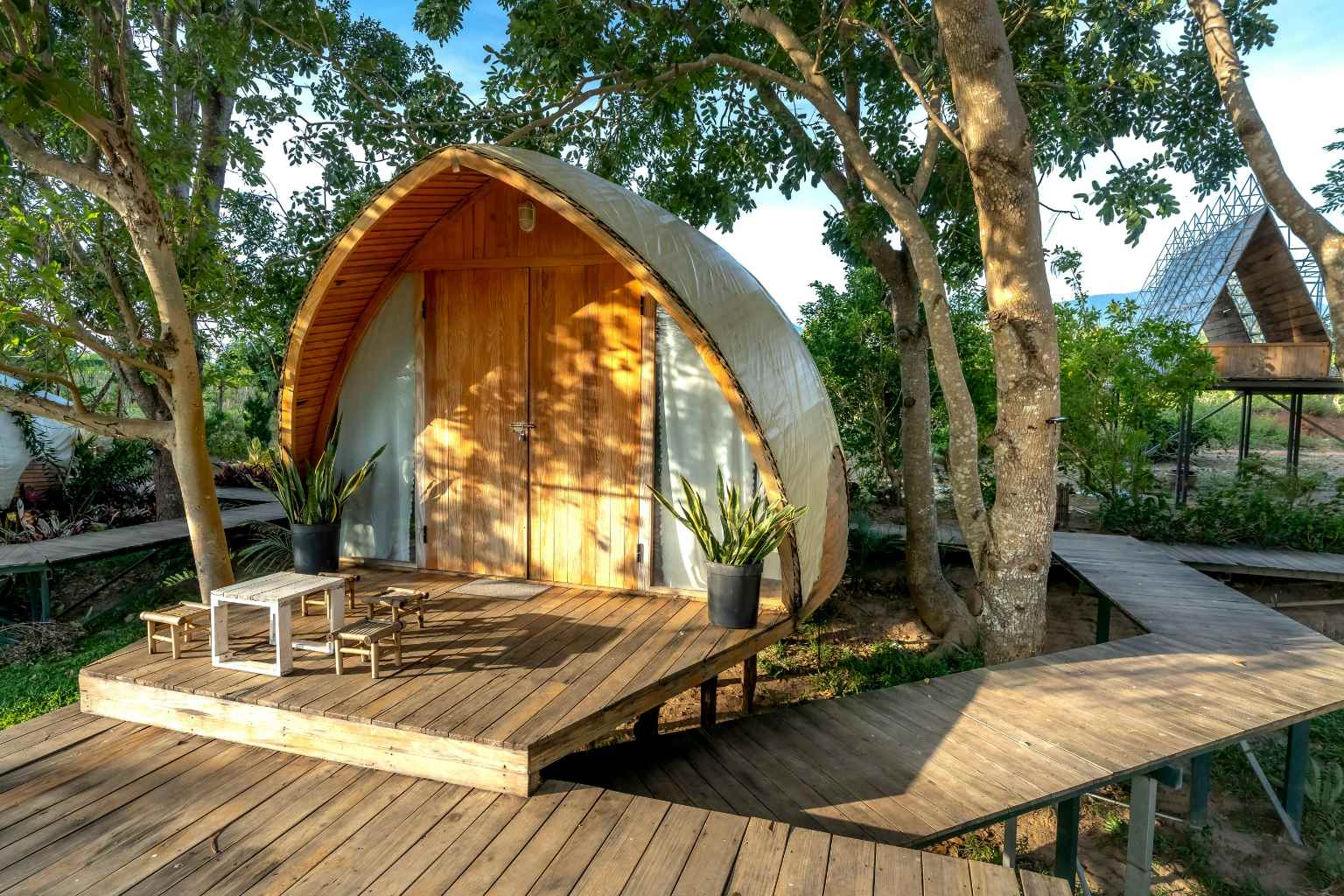
It used to be that luxury meant excess; now it means ethics, elegance and environmental responsibility. The contemporary consumer wants more than comfort or status; they are seeking out a lifestyle that represents both taste and conscience. This expanding trend, dubbed eco-luxury, is living proof that sustainability and class can be best friends forever. From The best of and worst of 2019 Eco-luxury is changing the way we live, from fashion to travel, architecture to wellness: redefining life well lived.
1. What Is Eco-Luxury?
Eco-luxury is the marriage of luxury living and sustainability. It is experiencing high-end comfort, design and quality – without the environmental toll.
Unlike traditional luxury, which often focused on exclusivity and opulence, eco-luxury emphasizes:
- Sustainable materials and ethical sourcing.
- Renewable energy and low-carbon operations.
- Transparency and long-term value versus excess.
It’s luxury with a mission where every element of choice has been taken with care for the planet and people.
2. The New Luxury Landscape
The luxury industry is changing because consumers are changing. Modern consumers especially Millennials and Gen Z value values over vanity. They’re looking for products that tell a story and adhere to environmental ethics.
Brands such as Tesla, Patagonia and Stella McCartney has shown that innovation and sustainability can change the meaning of status. Today, eco-luxury is a sign of intelligence and integrity and influence not indulgence.
3. Fashion That Cares
The fashion industry, long accused of generating waste, has gone beyond making token efforts to deal with its trash and is positioning itself as a leader in pursuit of the eco-luxe shift. Organic fabrics, recycled materials, and slow fashion models are in.
Examples of sustainable luxury brands:
- Stella McCartney: cruelty-free and sustainable fashion pioneer.
- Gucci’s “Off the Grid” line: constructed of regenerated nylon and eco-minded materials.
- Hermès: experimenting with mushroom leather alternatives.
These are examples demonstrating that ethics can drive, rather than impede, creativity.
4. Building and Interior Design Goes Green
Eco-luxury properties are being created to combine comfort with ecologically savvy. Architects now design spaces that breathe with nature powered by solar energy, made of recycled construction materials and using smart water systems.
Common features include:
- Green roofs and vertical gardens.
- Natural ventilation and lighting.
- Reclaimed wood and low-VOC paints.
Luxury homes are transforming into self-sustaining sanctuaries that promote wellness and minimize waste.
5. The Rise of Sustainable Travel
Luxury travel is getting greener, too. Travelers can experience five-star accommodations without environmental guilt at eco-resorts and carbon-neutral destinations.
Top examples include:
- Soneva Fushi (Maldives): 100% solar powered and without any plastic waste.
- Six Senses Resorts: where wellness and sustainability intersect.
- Whitepod Eco-Luxury Hotel (Switzerland): eco-friendly luxury domes run on renewable energy.
But these destinations suggest there are still ways we can travel indulgently just responsibly.
6. Technology’s Role in Eco-Luxury
Sustainability is getting easier and smarter thanks to technology. Smart homes optimize lighting, temperature and energy use in a sustainable way.
Key innovations include:
- AI-driven energy management systems.
- Electric and hybrid luxury vehicles.
- Water-saving and air-purifying home tech.
These developments are transforming something that was once a burden to the planet into a luxury for its inhabitants.
7. The Beauty and Wellness Shift
Clean, eco-friendly formulas are the future of luxury wellness brands. Not so long ago all-natural beauty was the less appealing sister to Hollywood glamour, but times have changed: Organic skincare, cruelty-free makeup and zero-waste packaging are the new standards of elegance.
For instance:
- Aveda has 100% post-consumer recycled packaging.
- Tata Harper formulates skincare from natural products and glass vessels.
- Lush is known for minimal packaging and ethical sourcing.
Eco-luxury in beauty isn’t just about looking good.”It’s about feeling good that the choices you’re making are responsible.
8. The Role of Ethical Consumption
Today’s luxury consumer can’t get enough of transparency – they want to know the origins of products, and how they’re made. That has given rise to ethical consumerism, q mechanism in which purchasing is an act of activism.
Consumers are increasingly willing to invest in fewer, better quality items that will stand the test of time versus disposable trends. This change is elevating sustainability itself to a new definition of luxury: longevity.
9. The Social Impact of Eco-Luxury
Hooray! Eat the Rich The bohemians want to eat at home now. Teaming up with artisans, advocating for fair trade and shining a spotlight on local craftsmanship are priorities for many brands.
By supporting the ethical supply chain the industry lifts up local communities and protects traditional skills. The result? A new luxury that is inclusive, conscious and globally responsible.
10. The Future of Luxury Living
The future of luxury is circular not linear. The elite lifestyle of tomorrow must revolve around re-usability, customization and sustainability innovation for the planet.
Expect to see:
- Carbon-positive buildings.
- Fully traceable products via blockchain.
- AI-powered sustainability tracking for consumers.
- Eco-luxury won’t be a niche anymore it will be the new status quo of living beautifully and responsibly.
Key Takeaways
- Eco-luxury represents luxury and elegance while caring for our planet luxury without the compromise.
- Today’s consumers want ethics, transparency and innovation.
- Fashion, travel and design are also taking to green design.
- Technology enables sustainability to be easy and fun.
- The future of luxury is circular, inclusive and planet-first.
Conclusion
Eco-luxury is how human desire is evolving – from having more to being better. It demonstrates sustainability doesn’t have to be forfeiting comfort but transforming it with conscious. In the age of innovation and enlightenment, luxury is increasingly about experience, purpose and protection rather than excessive wealth. These days, the good life and the decent life are no longer at odds with one another. They go hand in hand beautifully well.
FAQs:
Q1. What defines eco-luxury?
It’s about sustaining our world while living in the lap of sustainable luxury.
Q2. Is it even possible for sustainability and luxury to coexist?
Yes. Technologies that are finding new life, materials that never degrade, and design innovations have meant brands are able to deliver high-quality without damaging the planet.
Q3. Which are some of the eco-luxury brands?
Such facilities as Tesla, Stella McCartney (vegetable-ink dyed dresses made of organic textiles), Gucci Off the Grid and Six Senses Resorts are spearheading eco-luxury.
Q4. What drives consumers towards eco-luxury?
Contemporary consumers are prioritizing authenticity and environmental consciousness over the opulence, and excess, that characterized past generations.
Q5. What does the future of eco-luxury look like?
Look for chic minimalism and sustainable luxury to enter the mainstream in fashion, travel and architecture.
