


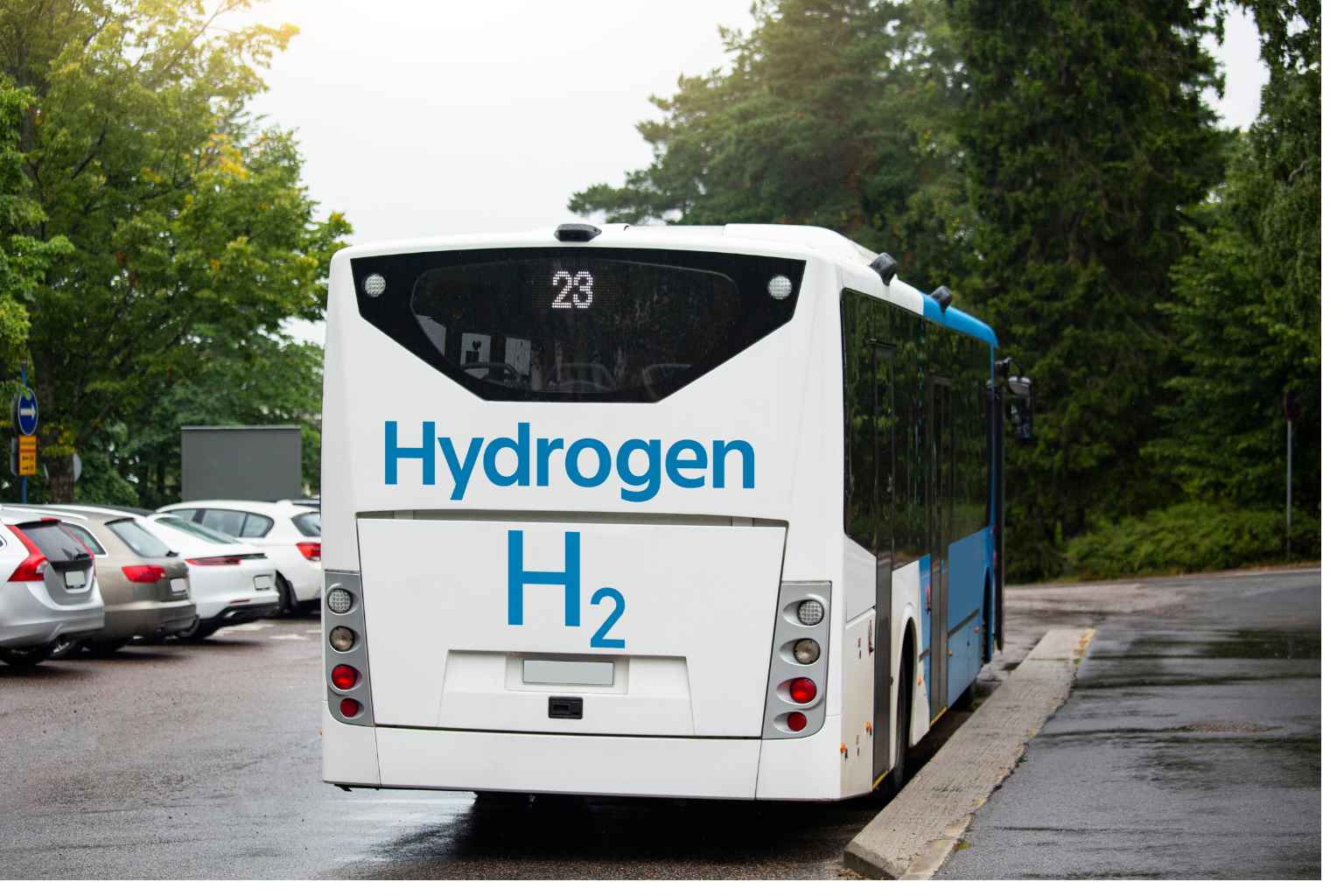
The electric car might hog the spotlight, but another kind of clean vehicle actually may have a more realistic chance of taking over freeway lanes: the hydrogen fuel-cell vehicle. Fueled by hydrogen fuel cells, these cars provide emissions-free driving with greater range and quick refueling as opposed to electric vehicle alternatives. In the race to find sustainable ways to eliminate carbon emissions, hydrogen mobility has been gaining traction as a new technology that may change everything.
1. Understanding Hydrogen Vehicles
FCEVs (which stands for fuel cell electric vehicles) are hydrogen vehicles that produce electricity through the use of hydrogen gas. Unlike a conventional engine that burns fuel, FCEVs generate power from the reaction of hydrogen with oxygen, emitting only water vapor as waste.
That makes them one of the cleanest available forms of transportation, with a combination of high efficiency and zero tailpipe emissions.
2. How Hydrogen Fuel Cells Work
Fuel cells produce electricity from hydrogen in an electrochemical reaction. The hydrogen gas is pumped into the cell, where it combines with oxygen in air. The outcome is uninterrupted electric current which drives the motor.
- Hydrogen is supplied to the anode side of the cell.
- Oxygen enters the cathode side.
- The result is electricity and water vapor.
This process is noiseless, high-performing and emission-free which provides the environmental edge to hydrogen vehicles.
3. Advantages over Battery Electric Vehicles (BEVs)
Hyd Move hycergen cars have a couple of advantages which make them perfect for long-distance and commercial purposes.
Key advantages include:
- Quick refueling: Just 3–5 minutes versus hours charging an EV.
- Longer range: Can go between 600 and 700 km on a single fill-up.
- Featherweight systems: Hydrogen tanks weigh less than heavy EV batteries.
These advantages also make hydrogen vehicles a good match for heavy trucks and buses, fleets in particular.
4. Addressing the Range Anxiety Problem
Crossing the distance in an EV is what worries most potential and actual owners. Hydrogen cars address this issue with longer drive ranges while maintaining performance.
For instance, the Toyota Mirai and Hyundai NEXO enable driving range of more than 600 km per tank. This sort of endurance is what makes hydrogen vehicles win big in areas that have sparse charging setups.
5. The Environmental Benefits
The only thing to come out of a hydrogen vehicle tailpipe is water vapour. When hydrogen is produced using renewables, such as wind or solar power, the full energy cycle is carbon-free.
Furthermore, hydrogen fuel can be produced on site, decreasing dependence on imported fossil fuel and favoring cleaner national energy systems.
6. The Challenge of Hydrogen Infrastructure
The scarcity of hydrogen filling stations is one of the major obstacles to another breakthrough. As of now, A few nations — like Japan, Germany and South Korea — have robust infrastructure systems.
But both governments and private companies are spending heavily to expand refueling networks. This challenge is anticipated to become less of an issue in the next 10 years with global programmes intensifying initiatives towards green hydrogen production.
7. Heavy Transport and Industry Hydrogen
Hydrogen cars are especially ideal for transport that requires heavy lifting and can’t rely on humungous batteries. Trucks, ships and possibly even trains could benefit from hydrogen power because it has a high energy content.
Whereas electric trucks strain with long-distance freight, hydrogen-powered vehicles refuel fast and drive with sustained power over distance.
8. Technological Innovations in Hydrogen Mobility
Advances are helping to make hydrogen-powered vehicles more practical and affordable.
Key innovations include:
- Densified fuel cells with higher power per unit volume.
- Hydrogen hybrid systems with electrical storage.
- All components of the fuel cell are recyclable and reduce the cost of production.
And those advances are slowly, but surely making hydrogen closer to a prime time technology.
9. Government Policies and Global Momentum
Nations around the world are understanding the potential of hydrogen to help them on their path to net-zero. The European Union, Japan and South Korea have national hydrogen strategies which support production as well as use.
And governments are starting to offer fuel duty rebates and grants for hydrogen infrastructure, although the industry could do even more to support this cleaner technology.
10. The Future of Hydrogen for Decarbonising Transport
Hydrogen vehicles could comprise a significant portion of the worldwide transportation mix by 2035. When costs come down, and infrastructure expands, consumers as will businesses will flock to this faster, cleaner solution.
The sustainability, range and refueling speed of hydrogen is a perfect complement to battery electric vehicles and collectively the move toward fully green mobility.
Key Takeaways
- Hydrogen cars emit no greenhouse gases and take only a few minutes to refuel.
- They have more range and are lighter than most electric cars.
- The biggest challenge is still development of infrastructure.
- Hydrogen ecosystems are being investd in by governments and car manufacturers.
- With heavy transport over long distances, hydrogen power is best.
Conclusion
Hydrogen vehicles deserve more consideration, as they help to cover the gaps lefts by electric cars. These are key building blocks of sustainable transportation because they emit nothing at tailpipe and are high-efficient vehicles that can drive long distances. Even as the world speeds toward a zero-carbon future, hydrogen exactly which form remains an open question could become the overlooked but persistent power behind green mobility, one that complements electric vehicles and fuels the next age of movement.
FAQs:
Q1. What are hydrogen fuel cell cars?
They are cars that produce electricity by combining hydrogen and oxygen, emitting only water vapor.
Q2. How long does it take to fill up a hydrogen car?
Usually filling up takes about 3-5 minutes just like with ‘regular’ gasoline cars.
Q3. Do hydrogen cars make more sense than electric ones?
Both have benefits. Hydrogen cars can go further without refueling and fuel up more quickly, whereas there is more widespread infrastructure for electric cars.
Q4. What is green hydrogen?
Green hydrogen is created with renewable energy, thus it is a completely carbon-neutral fuel.
Q5. Will hydrogen-powered cars be affordable in the near future?
Yes, costs are projected to decline dramatically over the next decade as production ramps up and infrastructure is built.
